Tar Pit Fossil Dire Wolf Carnassial
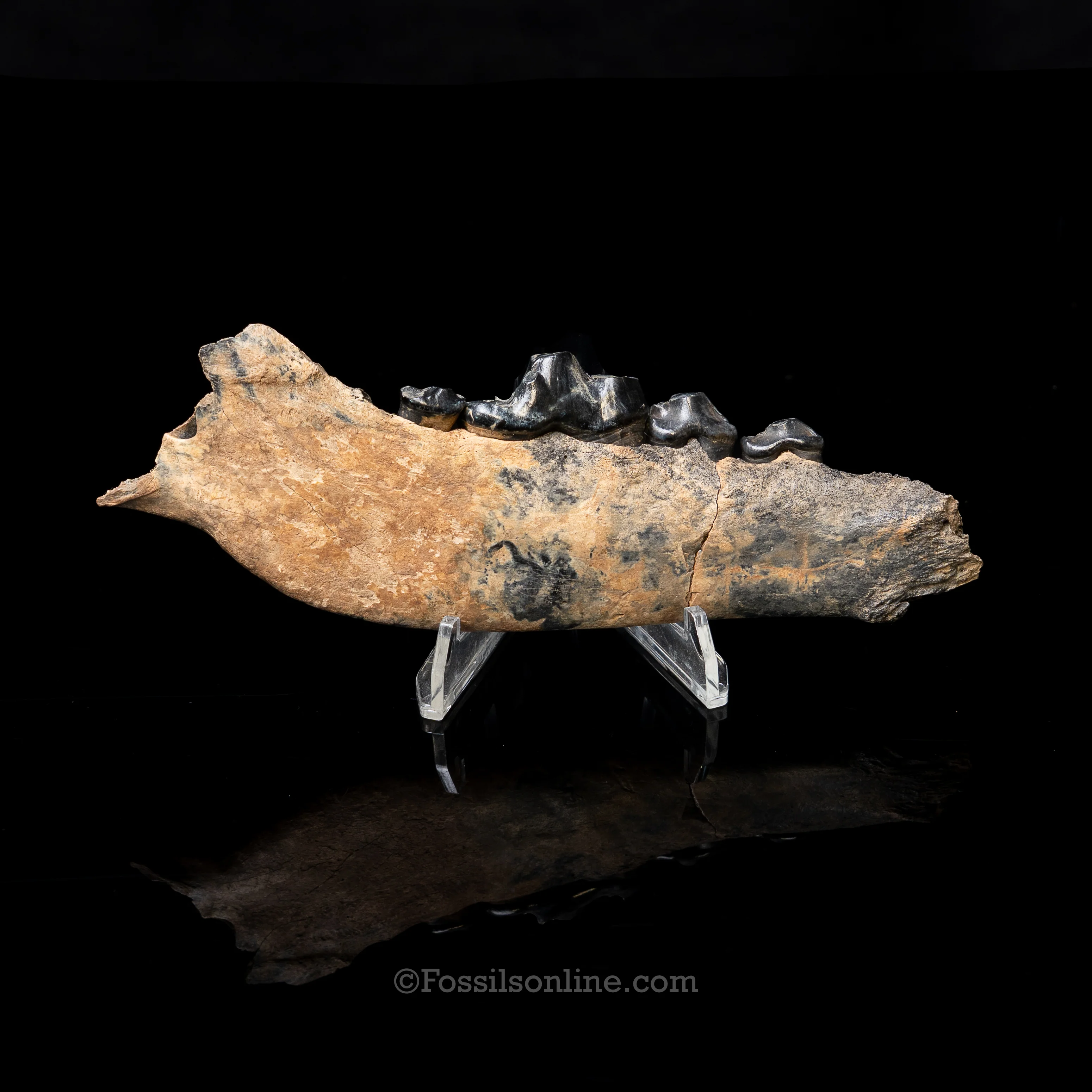
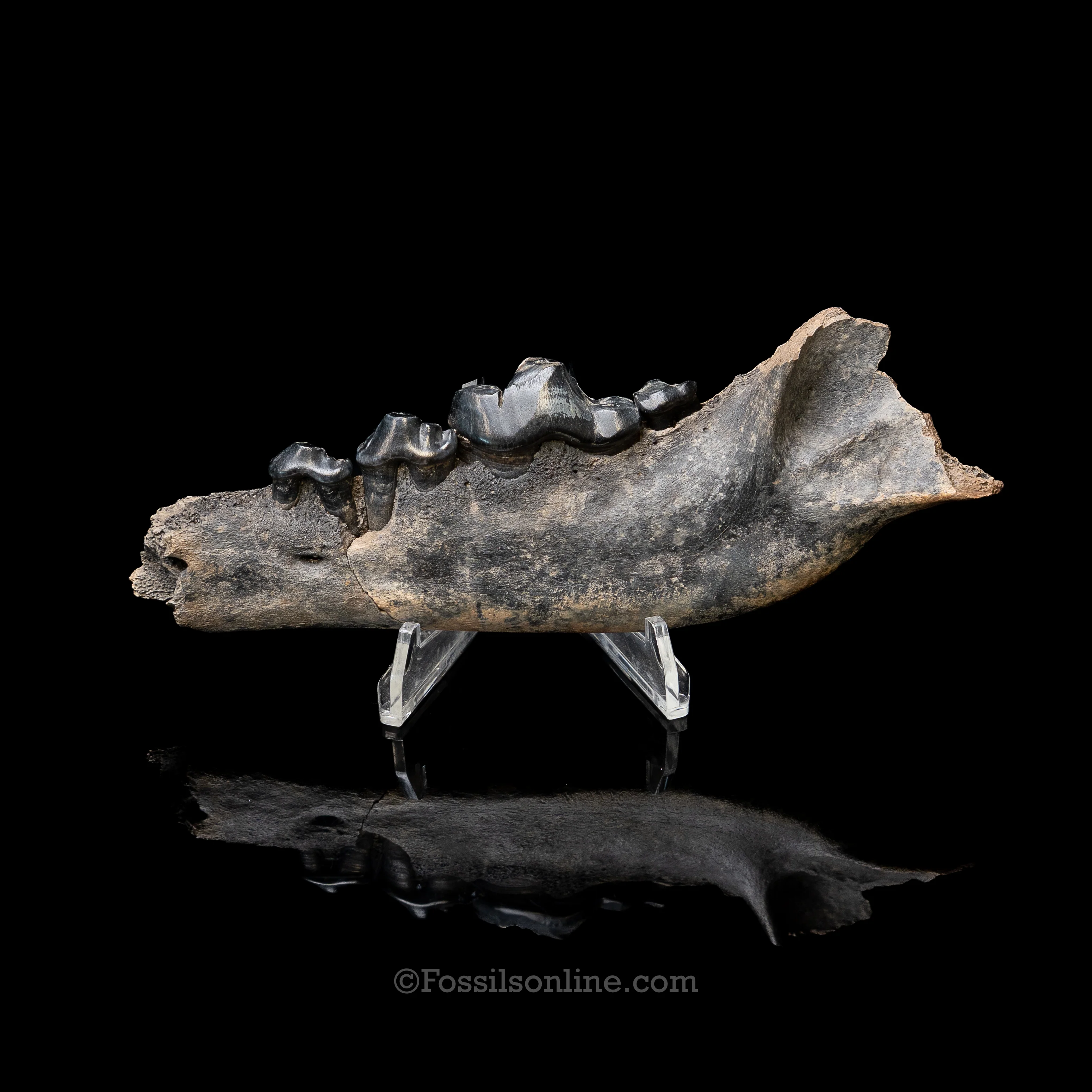
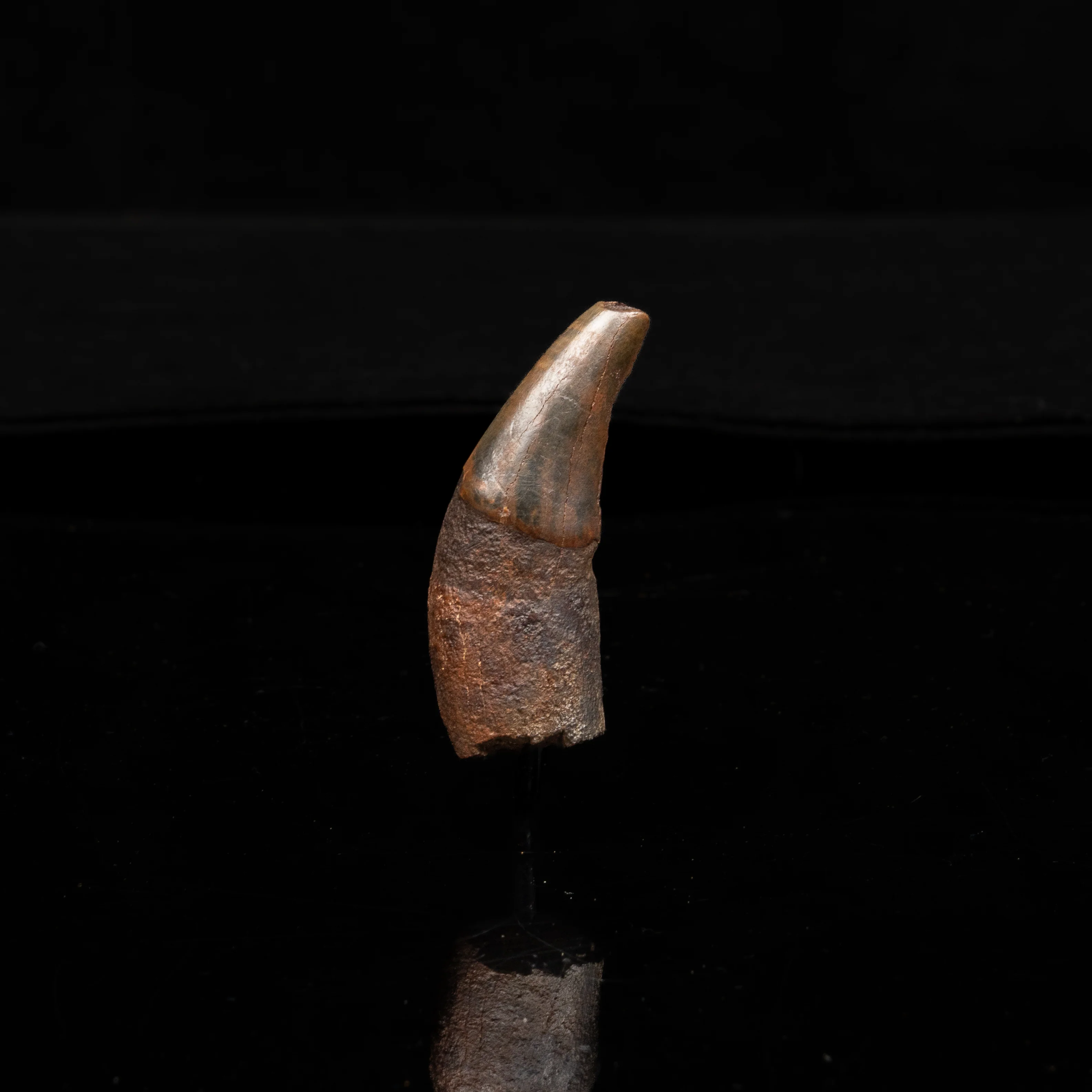
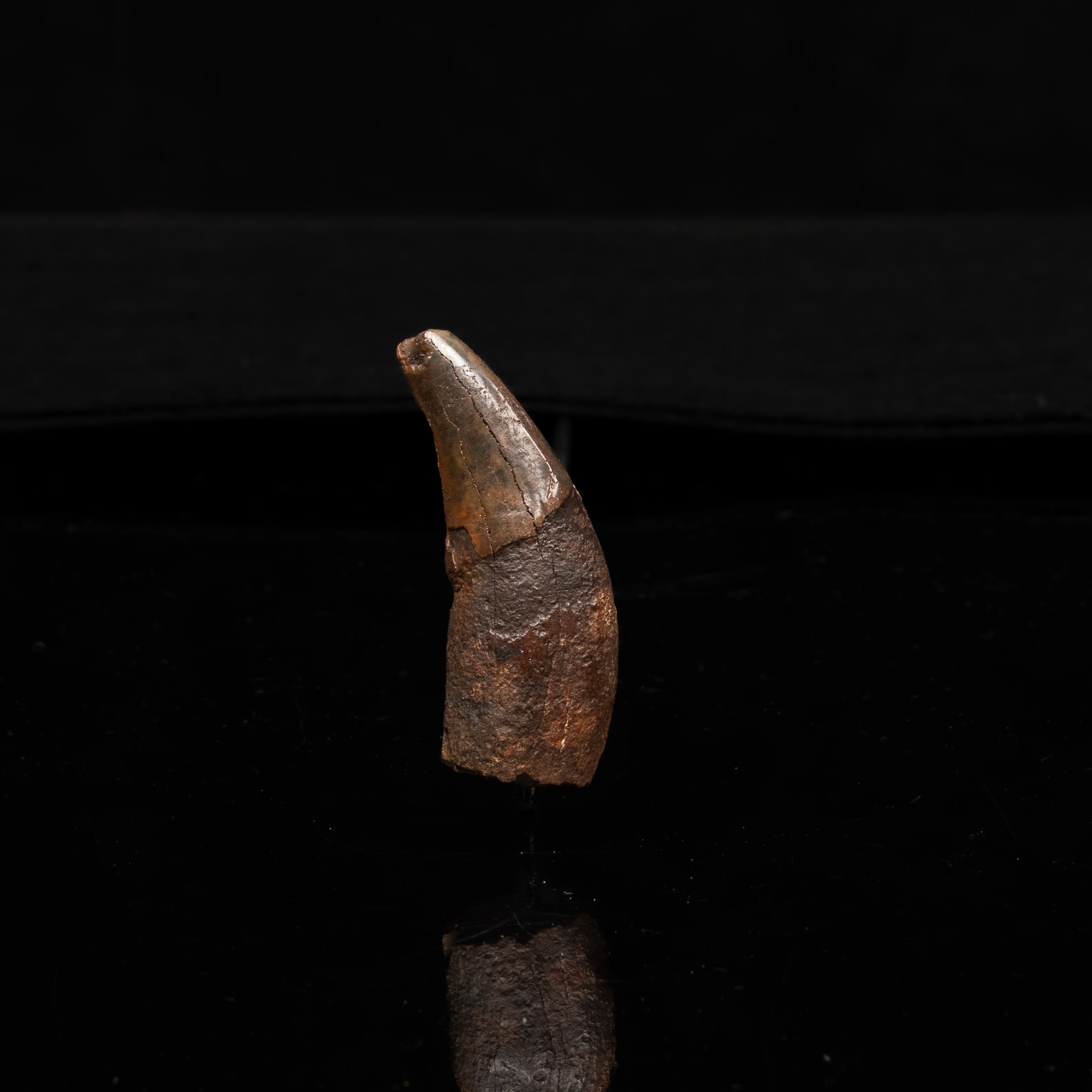
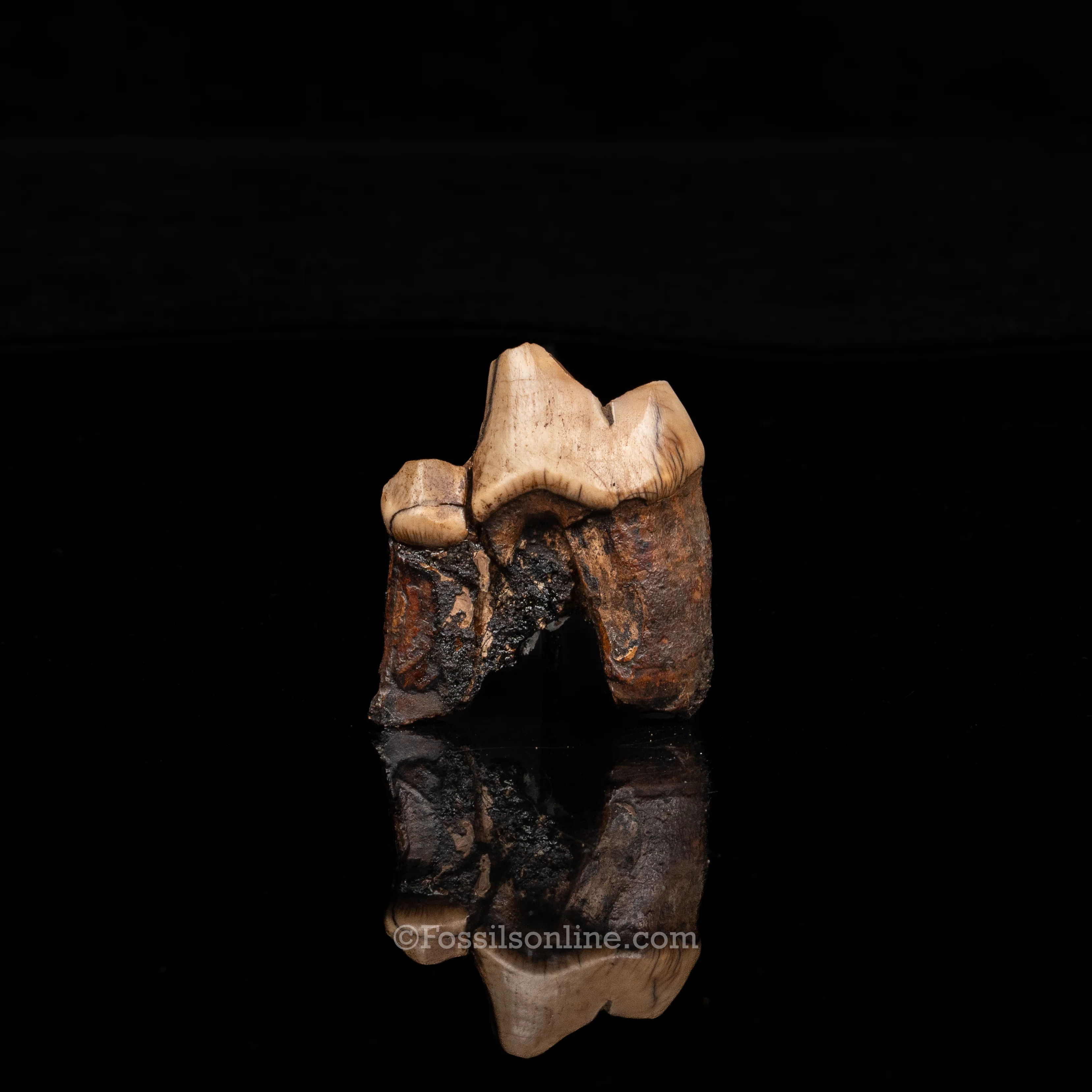
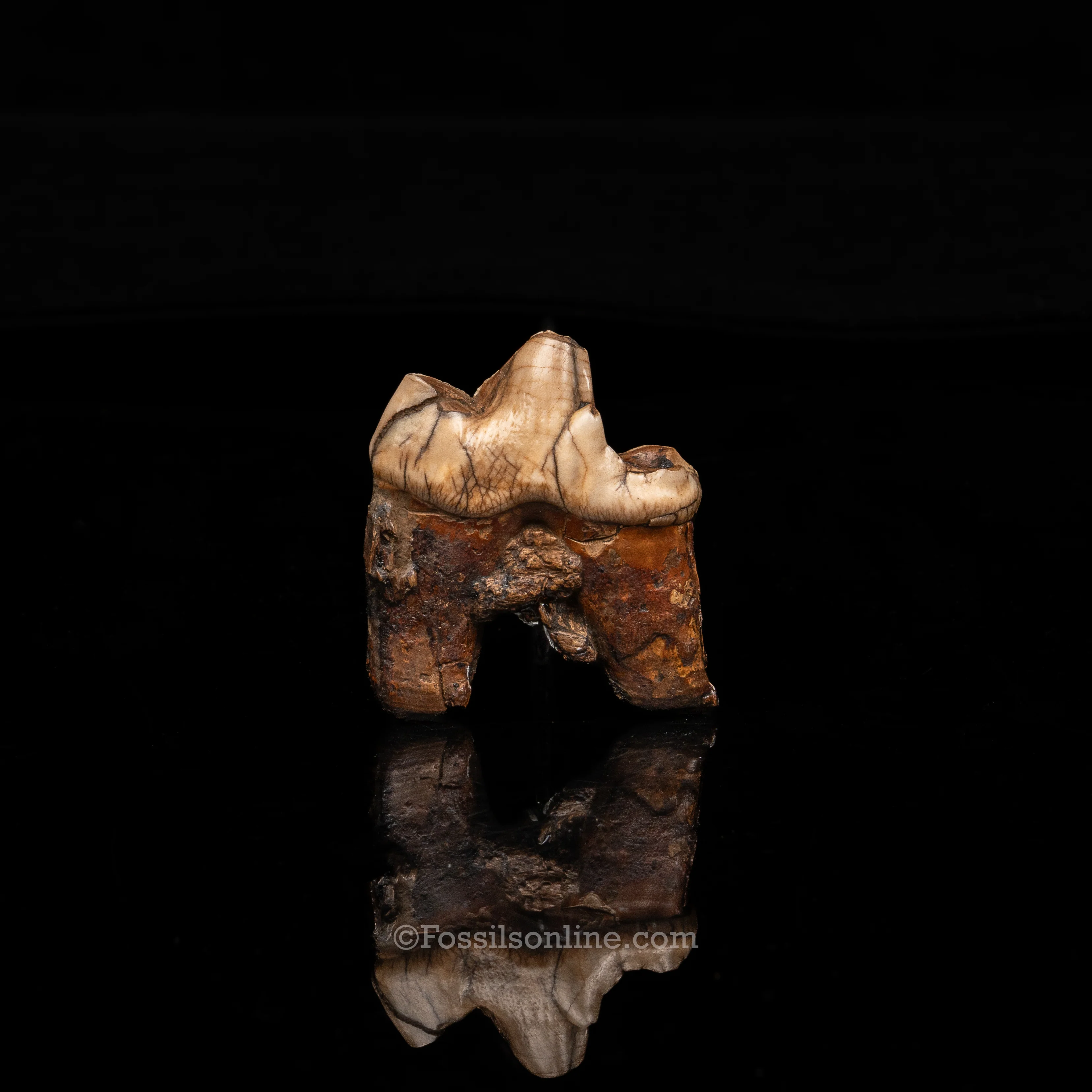
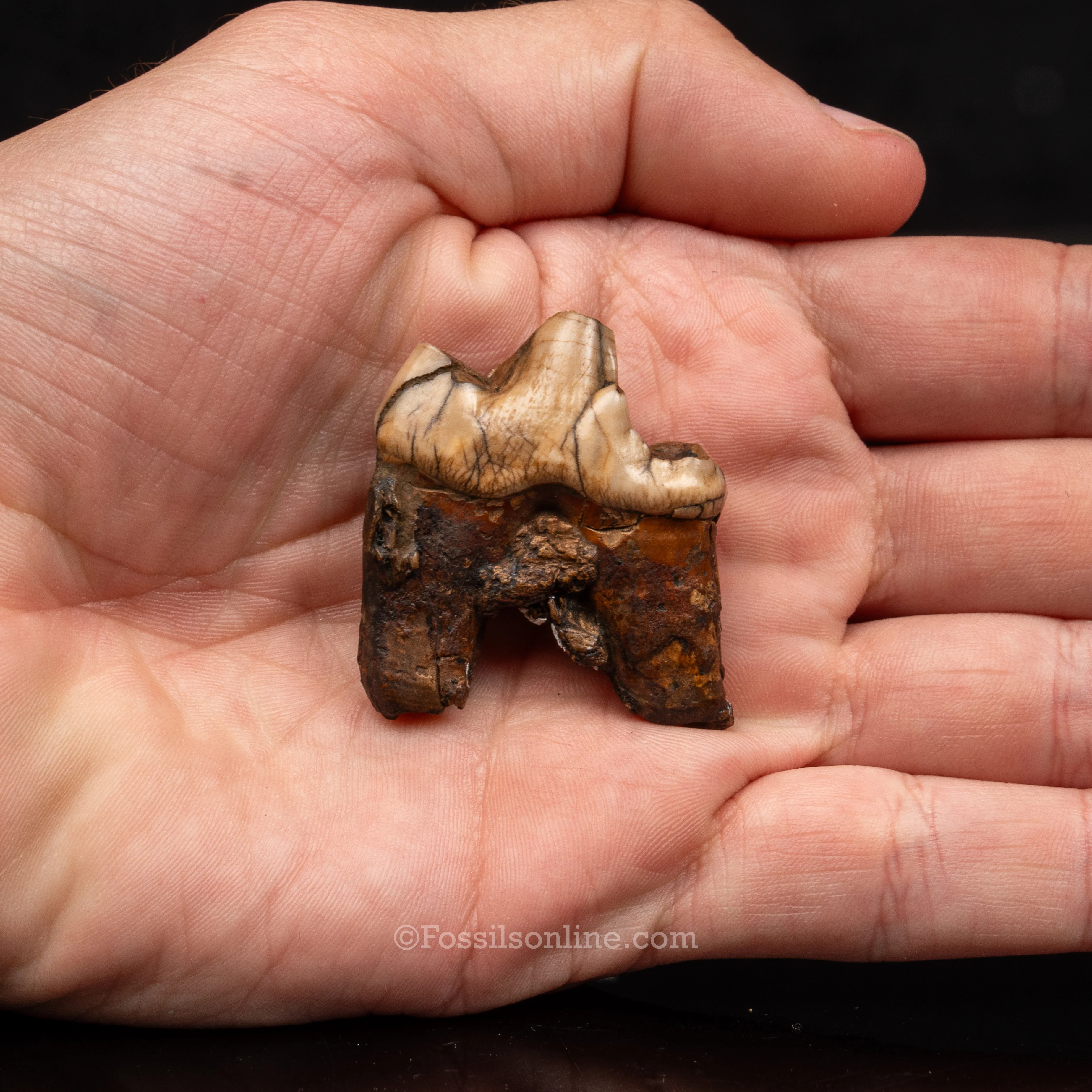
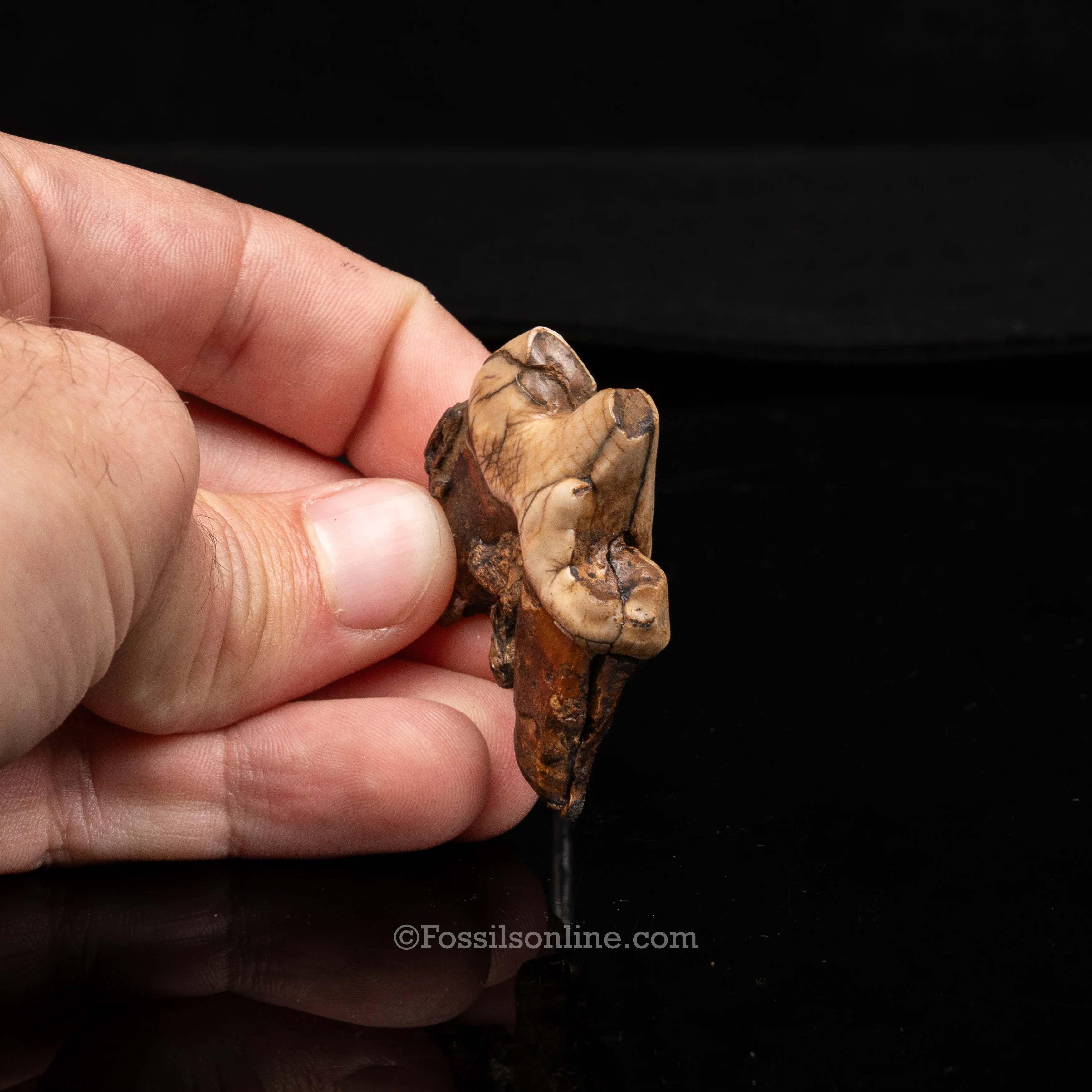
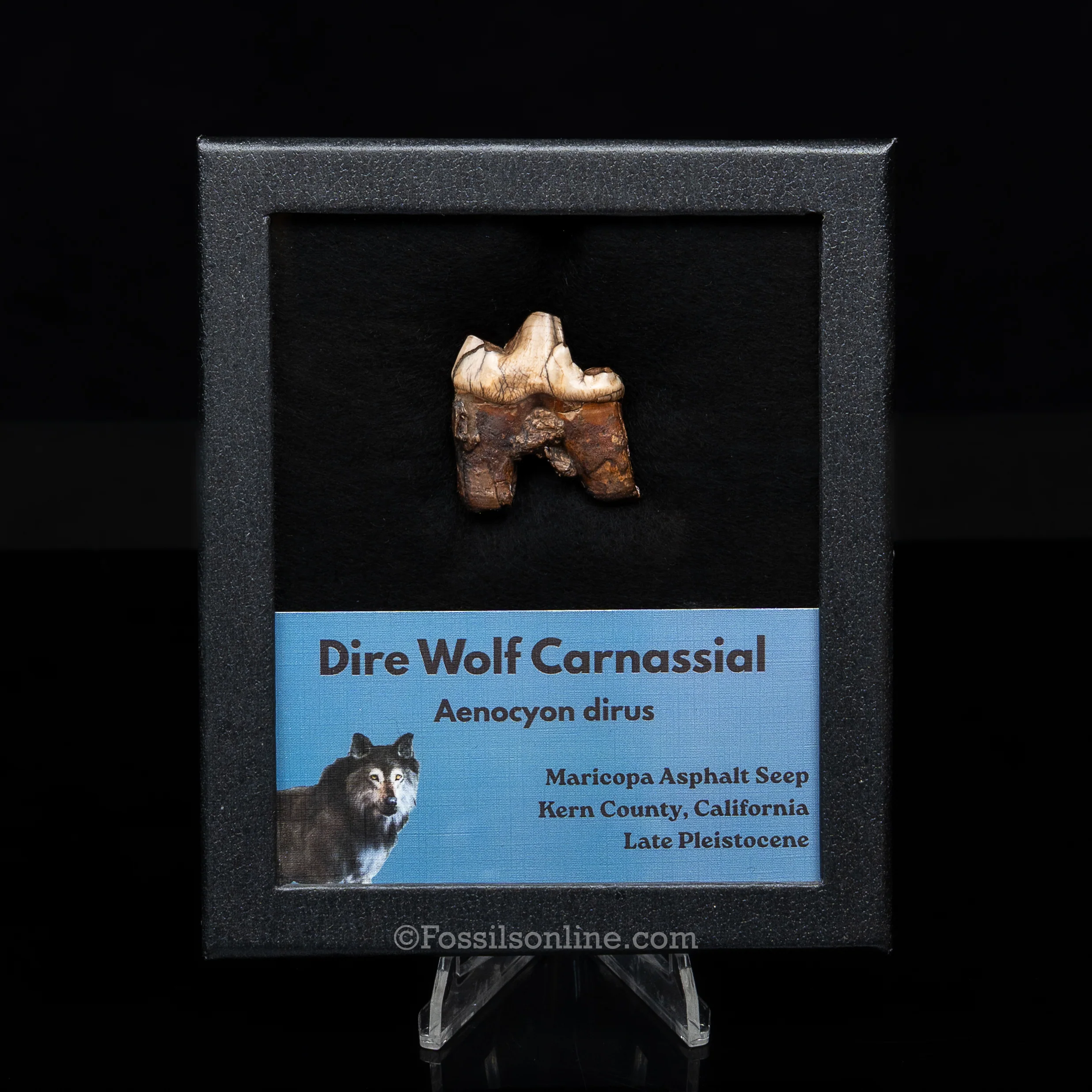
This is a genuine carnassial from a Dire Wolf (Aenocyon dirus), dating to the Late Pleistocene and was recovered from the Maricopa asphalt seep in Southern California in the 1960’s and 70’s. The crown exhibits natural wear, and part of the root has been broken. Enamel has a nice light brown coloration.
Presented in a 6" × 5" display case.
Dire wolves (Aenocyon dirus) were formidable predators of the Pleistocene epoch, roaming North America in packs. Their remains are frequently discovered in Florida's rich river deposits, highlighting their widespread presence in prehistoric ecosystems. Notably, thousands of dire wolf fossils have been excavated from California’s La Brea Tar Pits, making them one of the most iconic and extensively studied Ice Age carnivores.
Obtaining ‘tar pit’ fossils is nearly impossible today, unless from an old collection or from private property.
George Lee, a prominent fossil collector collected and kept quite a bit of this material in his warehouse for decades. It wasn’t until his estate was liquidated in the early 2000’s that it saw the light of day again.
Product Information
Product Information
Shipping & Returns
Shipping & Returns
Description
This is a genuine carnassial from a Dire Wolf (Aenocyon dirus), dating to the Late Pleistocene and was recovered from the Maricopa asphalt seep in Southern California in the 1960’s and 70’s. The crown exhibits natural wear, and part of the root has been broken. Enamel has a nice light brown coloration.
Presented in a 6" × 5" display case.
Dire wolves (Aenocyon dirus) were formidable predators of the Pleistocene epoch, roaming North America in packs. Their remains are frequently discovered in Florida's rich river deposits, highlighting their widespread presence in prehistoric ecosystems. Notably, thousands of dire wolf fossils have been excavated from California’s La Brea Tar Pits, making them one of the most iconic and extensively studied Ice Age carnivores.
Obtaining ‘tar pit’ fossils is nearly impossible today, unless from an old collection or from private property.
George Lee, a prominent fossil collector collected and kept quite a bit of this material in his warehouse for decades. It wasn’t until his estate was liquidated in the early 2000’s that it saw the light of day again.